Homemade Solid Dish Soap Recipe (Beginner-Friendly, Zero-Waste)
Updated: Jul 24

Solid dish soap is one of my favourite “gateway” projects for new soap makers. It’s practical, zero-waste, and incredibly satisfying to use every day at the sink. In this post, I’ll walk you through a beginner-friendly solid dish soap recipe and share a few tips to help your bars last longer and cut through grease beautifully.
Why I Love This Recipe
This homemade solid dish soap is packed with natural grease-fighting ingredients:
Coconut oil: Excellent cleansing power.
Fresh lemon juice: A natural source of citric acid that helps cut through grease and reduces soap scum.
Lemon zest: Adds gentle color and texture.
Folded lemon essential oil: A super-concentrated citrus oil that holds up better in soap than regular essential oils.
Aloe vera gel: Gives the soap a softer lather and helps balance out coconut oil’s drying effect.
It smells fresh, cuts through grime, and makes your kitchen smell like sunshine. What more could you want?
DIY Solid Dish Soap Recipe (Cold Process)

This lemon & aloe solid dish soap recipe makes a firm, long-lasting bar perfect for daily use in your kitchen sink.
Ingredients (100% Coconut Oil – 0% Superfat)
14 oz (397 g) coconut oil.
2.56 oz (73 g) sodium hydroxide (lye).
5.32 oz (151 g) distilled water.
Zest of one fresh lemon.
1 tbsp fresh lemon juice.
1 tbsp aloe vera gel or liquid.
18 g folded lemon essential oil (added at light trace).
If this is your very first time working with lye, I recommend taking things slowly and giving yourself a strong foundation. Inside the Beginners Course, I walk you through lye safety, basic recipes and pour-along videos so that when you tackle projects like solid dish soap, you already feel calm and confident.
Step-by-Step Instructions
Safety First: Always wear gloves and goggles.
Weigh all ingredients with a digital scale, no measuring cups!
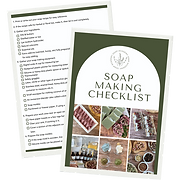
If you're brand new to soapmaking, download my free Soap Making Checklist!.
Make the lye solution
Add the distilled water to a heat-safe container. Put on your gloves and goggles, then slowly sprinkle in the lye. Stir carefully, avoiding the fumes.
Stir in the lemon zest
Immediately stir in the lemon zest while the solution is still hot. This helps distribute the color and break down the zest.
Let it cool
Set the lye solution aside to cool to around 100–110°F (38–43°C).
Melt the coconut oil
Gently heat the coconut oil until it reaches 90–100°F (32–38°C).
Combine the lye and oils
Stir in the lemon juice and aloe vera into the cooled lye solution. Then pour the lye mixture into the warm oils and stir by hand.
Blend to trace
Use short bursts with an immersion blender, alternating with hand stirring, until the mixture reaches a light trace.
Add essential oil
Stir in the folded lemon essential oil.
Mold the soap
Pour the mixture into your preferred soap mold. Individual cavity molds work best, but loaf molds will do as well.
Unmold & cure
If using individual molds, leave for 24 hours before unmolding. For loaf molds, unmold and slice within 2–3 hours if firm.
Tips for Success
Add zest while the lye solution is still warm. This gives your soap a brighter, more even tone.
Folded citrus oils (like 10x lemon or orange) are much more effective in soap than regular citrus oils.
Aloe vera may slightly thicken your lye solution; just stir well and continue as usual.
Even though this soap is plant-based, coconut oil can be drying. Wear reusable gloves if your hands are sensitive!
Why Make Solid Dish Soap?
Zero waste: No plastic bottles to toss.
All-natural: You control the ingredients for a cleaner dishwashing experience.
Budget-friendly: One bar lasts a long time, saving you money.
Eco-conscious: Gentle on waterways and wildlife—great for the planet.
Aesthetic & functional: It looks beautiful on your kitchen counter and works just as hard as liquid soap.
Give It a Try!
Are you ready to give it a go? Let me know how your batch turns out or tag @thesoapacademy on Instagram to share your beautiful bars!
Want more cold process soap recipes like this one?
Sign up for the Soap Academy newsletter to never miss a new tutorial, recipe, or workshop update!
Your next step
If this post has you excited about making your own soaps, here’s where to go next:
Download the free Soap Making Checklist – perfect to keep on your counter on soap day so you don’t forget anything when the lye comes out.
Join the Botanical Soap Making Beginners Course (£149) – a calm, step-by-step online course that takes you from “I’m nervous” to “I made this!” with videos, recipes and printable guides


Comments