Lye Safety for Beginners: How to Make Soap Safely and Confidently
Updated: Jul 24

If you’re new to soap making, lye safety for beginners can feel like the most intimidating part of learning cold process soap.
And that is completely understandable.
Lye, also known as sodium hydroxide, is a strong alkaline ingredient. It must be handled with care, respect, and the right safety steps. But lovely soapmakers, please don’t let that scare you away from learning. Once you understand how lye works and how to protect yourself, soap making becomes much calmer, safer, and more enjoyable.
The beauty of handmade soap is that it begins with a little science, a little creativity, and a lot of care.
Let’s simplify this together.
What Is Lye In Soap Making?
Lye is the common name for sodium hydroxide. In cold process soap making, lye is mixed with water and then combined with oils or butters.
This starts a natural chemical process called saponification.
During saponification, the lye and oils transform into soap. A properly made and cured bar of soap should not contain active lye in the finished product.
But before that transformation happens, lye is caustic. That means it can burn skin, damage eyes, and irritate your breathing if handled poorly. Safety is not optional. It is part of good soap making.
Why Lye Safety Matters For Beginners
One of the biggest mistakes beginners make is thinking lye safety is only about wearing gloves.
Gloves are important, but they are just one part of the process.
Good soap making safety includes:
Wearing the right protective equipment
Measuring carefully
Mixing in a safe space
Using good ventilation
Keeping children and pets away
Knowing what to do if something spills
Staying calm and focused
From my experience, confidence comes from preparation. When your space is ready and your tools are laid out, the process feels much less stressful.
Essential Lye Safety Equipment
Before you open your lye container, gather your safety items.
You will need:
Safety goggles
Gloves
Long sleeves
An apron
Closed-toe shoes
A heat-safe jug for lye water
A stainless steel or silicone mixing spoon
Accurate digital scales
Good ventilation
Paper towels or cloths for careful clean-up
Your goggles should protect your eyes from splashes. Ordinary reading glasses are not enough.
Your gloves should cover your hands well. Choose gloves that are suitable for handling chemicals.
Wear long sleeves to protect your arms, and avoid loose clothing that might catch on your tools.
How To Prepare Your Soap Making Space
Before mixing lye, set up your work area properly.
Choose a space that is:
Well ventilated
Clear of clutter
Away from food preparation
Away from children and pets
Easy to wipe clean
Stable and flat
Open a window if possible. Some soap makers mix lye water near an open window or under suitable ventilation. Avoid leaning directly over the jug while mixing.
Keep your phone, drinks, snacks, and distractions away from the area. Soap making is creative, but lye handling needs your full attention.
How To Mix Lye Water Safely
This is the most important rule:
Always Add Lye To Water, Never Water To Lye
When lye dissolves in water, it heats up very quickly. This is normal, but it must be controlled.
Always follow this order:
Measure your distilled water into a heat-safe jug.
Measure your lye separately using accurate digital scales.
Slowly sprinkle the lye into the water.
Stir gently until dissolved.
Step back and avoid breathing in the fumes.
Leave the lye solution somewhere safe to cool.
Never pour water onto lye. This can cause a dangerous reaction, including splashing or bubbling over.
Also avoid using aluminium tools or containers, as lye can react with aluminium.
What Happens When Lye Meets Water?
When lye is added to water, the mixture becomes hot. This is called an exothermic reaction.
You may notice:
Heat rising from the jug
Steam or fumes
A cloudy liquid at first
The liquid becoming clearer as it dissolves
Do not touch the jug with bare hands. Do not put your face over it. Let it cool safely before using it in your soap recipe.
Common Lye Safety Mistakes Beginners Make
1. Not Wearing Goggles
Your eyes are delicate. Always wear proper safety goggles when handling lye, lye water, or fresh soap batter.
2. Mixing In A Busy Kitchen
A crowded kitchen can lead to spills or distractions. Choose a quiet time and keep the area calm.
3. Guessing Measurements
Soap making is not a “close enough” craft. Always use an accurate soap recipe and digital scales.
4. Using The Wrong Container
Use heat-safe, lye-safe containers. Avoid glass if you are unsure about its durability, and never use aluminium.
5. Rushing The Process
Lye safety is much easier when you slow down. Read your recipe fully before you begin.
6. Forgetting About Fresh Soap Batter
Fresh soap batter can still be caustic before saponification is complete. Keep gloves on while pouring, scraping, cleaning tools, and handling fresh soap.
Storing Lye Safely
Store lye in its original labelled container where possible.
Keep it:
Tightly sealed
Clearly labelled
Away from moisture
Away from children and pets
Away from food
In a cool, dry place
Lye absorbs moisture from the air, so always close the lid straight after measuring.
Never store lye in an unlabelled jar or food container.
Cleaning Up After Soap Making
When you have finished making soap, keep your gloves and goggles on while cleaning.
Wipe down your workspace carefully. Wash reusable tools well and keep soap making equipment separate from everyday cooking equipment where possible.
Some soap makers allow soap batter residue to sit safely until it has saponified before washing. If you do this, make sure everything is clearly marked and kept away from children, pets, and anyone else in the home.
Can You Make Soap Without Handling Lye?
Yes, you can make melt and pour soap without handling raw lye.
Melt and pour soap base has already gone through saponification. You melt it, customise it with colour, scent, and botanicals, then pour it into moulds.
This is a lovely option if you want to begin gently before moving into cold process soap.
However, if you want to make cold process soap from oils and butters, lye is required. There is no true cold process soap without lye.
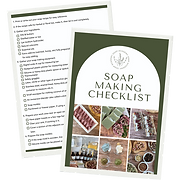
Beginner Lye Safety Checklist
Before you begin, check:
Goggles are on
Gloves are on
Long sleeves are worn
Children and pets are away
Window or ventilation is open
Recipe is ready
Digital scales are working
Water is measured first
Lye is measured separately
Lye will be added to water slowly
Tools and moulds are ready
You have enough time and no distractions
This simple checklist can make your first soap making session feel much more peaceful.
FAQ: Lye Safety For Beginners
Is lye dangerous for beginners?
Lye can be dangerous if handled carelessly, but beginners can use it safely with the right preparation, PPE, ventilation, and careful measuring.
Do I need goggles when making soap?
Yes. Always wear proper safety goggles when handling lye, lye water, and fresh soap batter.
Can I make soap without lye?
You can make melt and pour soap without handling raw lye. But cold process soap needs lye to create the saponification process.
What should I do if lye touches my skin?
Follow the safety guidance on your lye product’s Safety Data Sheet. In general, contaminated skin should be rinsed immediately with plenty of water. Seek medical advice if irritation or burns occur.
Why do you add lye to water?
Adding lye to water helps control the heat reaction. Never add water to lye, as it can cause splashing or a dangerous reaction.
Is handmade soap safe after curing?
A properly formulated, fully saponified, and cured soap should be safe to use. Always follow a tested recipe, measure accurately, and allow enough curing time.
Conclusion
Lye safety may feel overwhelming at first, but it becomes much simpler when you follow a calm routine.
Prepare your space. Wear your goggles and gloves. Add lye to water slowly. Keep children and pets away. Give the process your full attention.
Once you understand the safety steps, you can begin to enjoy the creative side of cold process soap making with much more confidence.
Ready to start your soap making journey? Explore Soap Academy’s beginner-friendly soap making resources and printable planners to help you organise your recipes beautifully.


Comments